D Link Webcam Installation Guide
Tremblay Mais Osez Ebook Torrents. If you need to monitor your home while you are away, D-Link’s Cloud Cameras allow you to do just that. Designed to fit seamlessly into your home environment, many of our cameras now come with the industry leading mydlink™ Cloud Services, that provides the most simple way of monitoring what matters to you most, from wherever you are. With night vision and on-board recording available, D-Link’s range of Cloud Cameras now offer you the means to simply watch over your baby while they asleep in the nursery or secure your home while you are on an extended vacation. • 720p HD Quality Video – Rich detail and crisp image quality • Sound and Motion Detection – Push alert notifications when loud noises or movement is detected • Local Recording – MicroSD/SDXC card slot for local recording based on event triggers, schedules or continuously • Wi-Fi Signal LED – Locator LED guides you to the best camera placement within Wi-Fi range for reliable streaming and recording • Night Vision – See up to 16 feet in complete darkness with built-in IR LEDs • Remote Viewing – View on your iPhone, iPad, Android device or Windows phone with the mydlink Lite app.
I recently acquired a pair of D-Link DCS-930L wireless cameras for cheap. I got them to supplement my home security setup. These cameras come with all sorts of cloud management software that I’m not interested in. I just want to configure them to be wireless cameras for my iSpy system to handle. There is a trick to configuring these cameras for wi-fi without installing any software or buying a D-Link cloud router.
For this how-to, we decided to use the D-Link DCS-932L ($150) wireless network camera, which you can connect to your network via ethernet or 802.11n Wi-Fi. Of course, specific setup instructions differ from camera to camera, but we've found that many of the basic features that you'll want in a wireless. Well, let's make sure you meet the minimum requirements to set up your camera. Open up your quick install guide (this is for one of our standard Wi-Fi Cameras, most set ups are similar, but you can find your specific camera here) and make sure that your computer falls within the necessary standards to run.
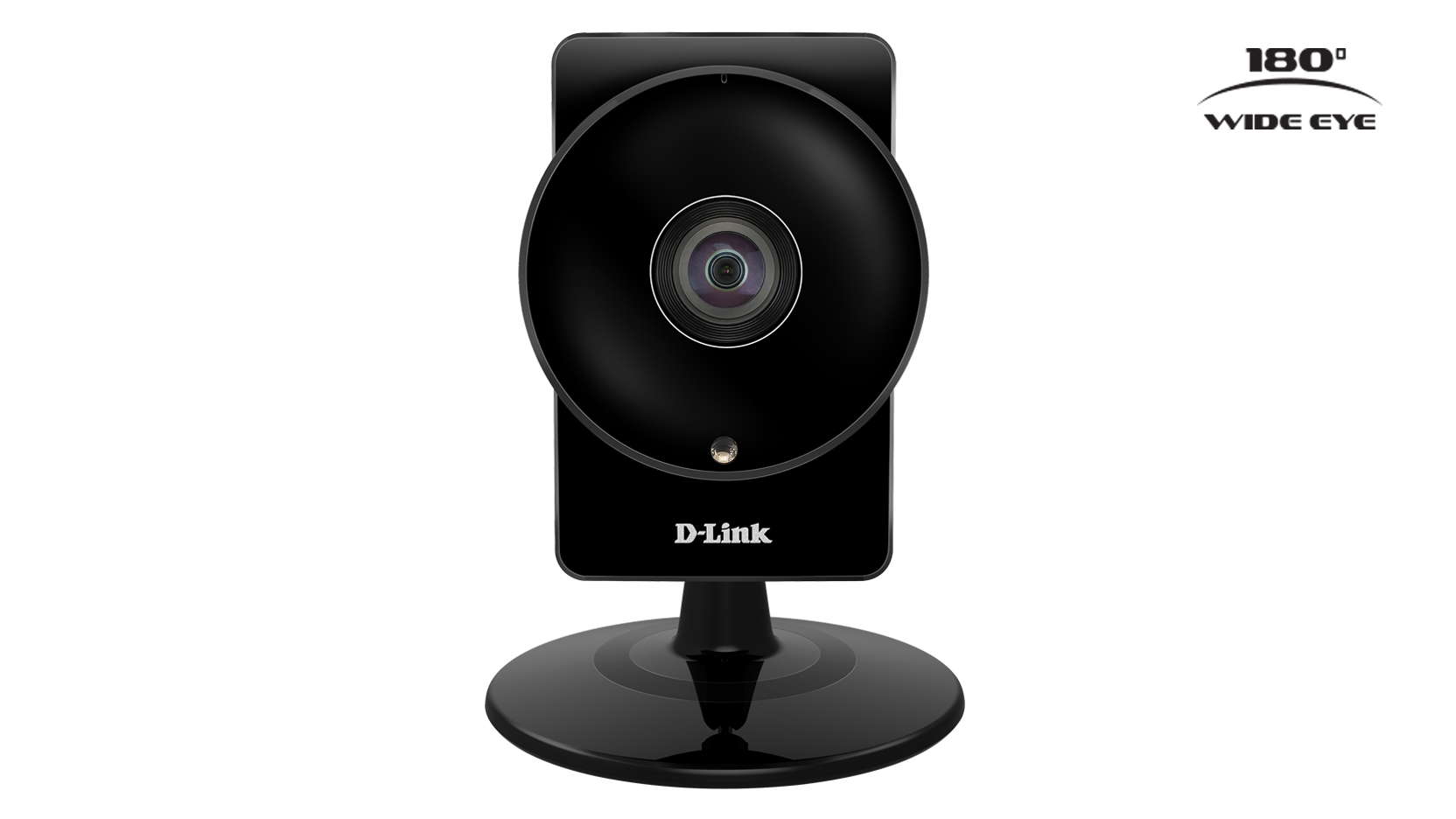
You simply have to plug the camera into an enternet connection, configure your computer to be on the same network as the camera, navigate to the camera’s management webpage, and make a few changes. (I got my information from the manual for this device, located.) • Use the supplied ethernet cable to plug the camera’s ethernet port into your computer’s ethernet port. You will have to manually configure your computer’s IP address to be on the 192.168.0.0/24 subnet (something like 192.168.0.2.) • The default IP address for this camera is 192.168.0.20. Go there in a browser.
• Default username: admin, blank password • Navigate to the Setup tab (at the top), then click Wireless setup (on the left) • Join your AP by doing a site survey and connecting to your wireless network. Enter your security key (if any) in the passphrase box. • Reboot to have settings take effect (Maintenance (top) System (left) reboot the device) • Un-plug ethernet cable (it doesn’t appear to connect wirelessly if ethernet is plugged in) Now that we’re up and running we need to tell iSpy (or any other camera software) to connect to the camera. Forza Motorsport 4 Crack And Keygen Serial 2011 For Pc.
Peter Checkland Soft Systems Methodology Ebook Download. A very helpful guide to URLs these cameras use is located on. The URL for MJPEG capture is: The URL for JPEG capture is: Be sure to fill in with the IP your camera gets from Wi-Fi, of course. I read you can install openwrt on these devices.
But that’s a post for another day. Post navigation.